Most people have never worked with an interior designer before. The first consultation is therefore one of the most unfamiliar steps in the whole process — you're not quite sure what to say, what to show, what to ask, or what the designer is actually going to do with the meeting. That uncertainty is normal. This guide explains exactly what happens, so you walk in prepared instead of anxious.
At Nexus Living Hub, every project begins with a free site visit and consultation. Here's what that looks like, from the moment you arrive to the moment the meeting ends.
Part 1: The Site Walkthrough
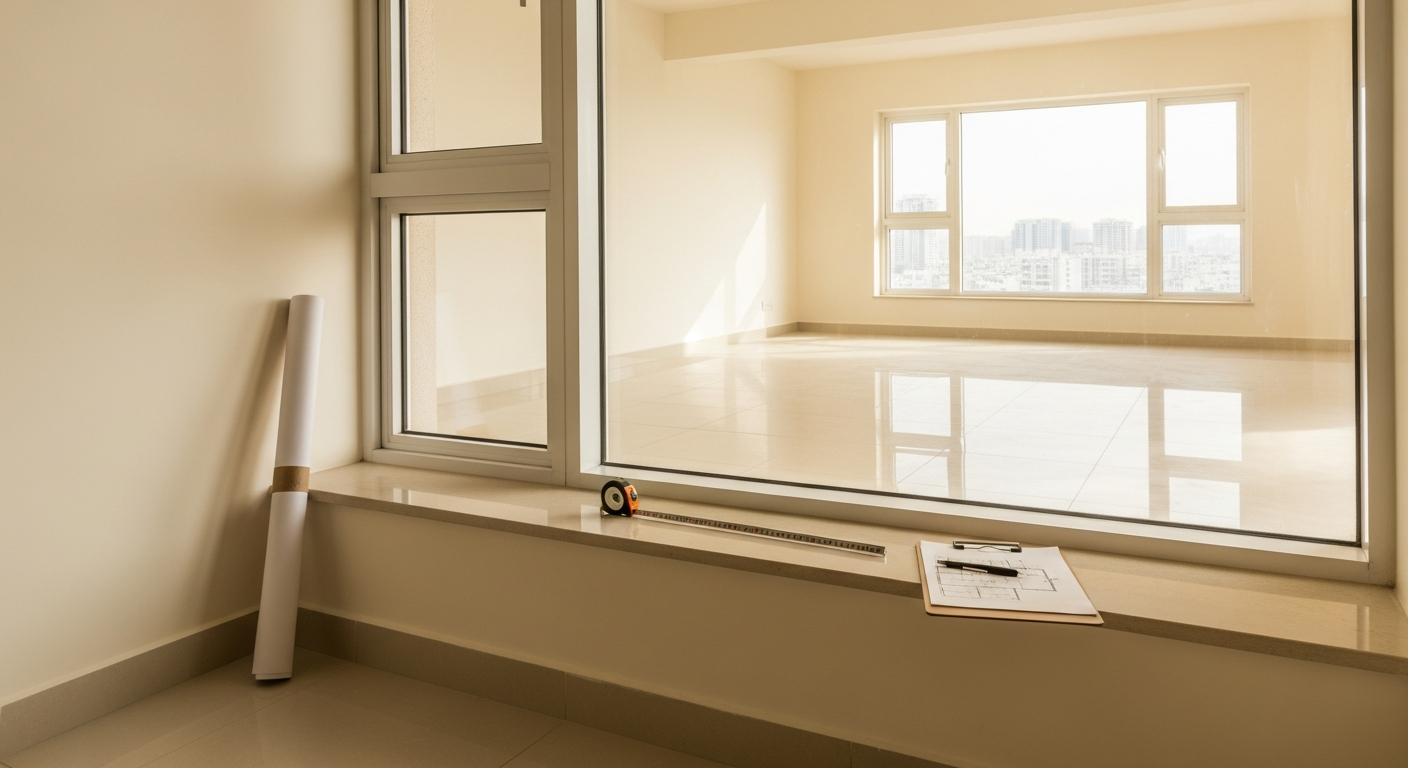
The consultation begins with a physical walkthrough of your home. Even if the flat is empty or under construction, this step is essential. The designer is observing things that no floor plan captures: natural light direction and quality at different times of day, ventilation patterns, ceiling heights (which vary between rooms in most Bangalore apartments), load-bearing walls that affect layout flexibility, the real dimensions of corridors and door clearances, and any existing architectural features worth preserving or working around.
This is not a silent inspection. As the designer moves through each room, they'll ask you to walk alongside them and explain how you plan to use each space. What happens in this bedroom? Where do you do morning work? Does the kitchen feel too closed off from the living room? How do you currently use the balcony? These aren't small-talk questions — every answer informs a design decision.
The walkthrough typically takes 20–30 minutes for a 2BHK and 40–50 minutes for a 3BHK or 4BHK.
Part 2: The Brief Discussion
After the walkthrough, the designer will sit down with you — usually in the living room or at a table — for a structured discussion about your brief. If you have any reference images (saved on your phone, in a folder, on Pinterest), this is the moment to share them. Don't worry about whether they're "good enough" references — even a single image that captures a feeling you like is more useful than trying to describe that feeling in words.
The brief discussion covers: who lives in the home and how (family composition, ages, routines), lifestyle needs (work-from-home, frequent guests, pets, hobbies), storage requirements, style preferences (you don't need precise vocabulary — "warm and calm" or "clean and organised" is enough), materials you do or don't like, and any specific requests for individual rooms.
A critical part of the brief discussion is budget. A good designer will ask you directly for your budget range, and you should answer honestly. The budget is not a negotiation starting point — it's an engineering constraint that determines which materials, finishes, and scope are realistic for your project. If you're uncomfortable naming a figure, give a range. No honest designer will use your budget against you; they'll use it to design something that's actually achievable.
Part 3: Initial Scope and Scope of Work
Based on the walkthrough and brief, the designer will sketch out an initial scope — which rooms, which elements, what's included and what isn't. This is not a final quotation; it's a framework that gets refined into a full proposal and BOQ (Bill of Quantities) in the next stage.
The scope discussion is where you'll learn what a full-scope project typically includes: false ceiling, flooring, modular kitchen, wardrobes, TV unit, fixed furniture, loose furniture, and painting — the complete list for turnkey delivery. You'll also learn what's typically excluded: appliances, light fittings (though positions are planned), plumbing work beyond kitchen and bathroom connection points, and civil/structural changes.
Ask as many questions as you need here. There are no unintelligent questions in a first consultation. The only mistake is leaving with unresolved confusion.
The brief discussion — where your lifestyle, preferences, and budget shape the initial project scope.
What to Bring to the Meeting
Floor plan or flat dimensions: If you have the builder's floor plan, bring a copy or a photo. If not, the designer can take approximate measurements during the visit. A floor plan speeds up the scope and estimate process significantly.
Reference images: 3–10 images that captured something you liked — a colour palette, a kitchen layout, a ceiling treatment, a wardrobe interior. The source doesn't matter. These images let the designer understand your taste far faster than description.
A rough budget range: Even "between X and Y" or "around Z" is more useful than nothing. See the interior budget guide if you'd like help calibrating expectations before the meeting.
A list of questions: See the guide to evaluating an interior designer for a checklist of questions worth asking in the first meeting. Coming with written questions ensures you don't forget something important in the moment.
Decision-making authority: If possible, have everyone who will be involved in the final decisions present at the consultation. Reconvening to relay information to a partner who wasn't there often leads to gaps, misunderstandings, and delays.
What Happens After the Consultation
Within 3–5 working days of the first meeting, you'll receive a detailed project proposal — not just a headline number, but an itemised estimate covering the key elements discussed. The proposal will include two or three package options (typically our Essential, Premium, and Elite tiers) so you can see what the same project looks like at different investment levels and choose the scope and finish quality that fits your situation.
You're under no obligation to proceed after receiving the proposal. The first consultation and site visit are free, and the proposal itself carries no commitment. If you want to think it over, compare with another provider, or revisit the scope, there's no pressure.
For a broader view of the full interior design journey from consultation to handover, see our week-by-week project timeline guide. If you're also interviewing other designers, our guide to evaluating interior designers gives you a structured framework for comparing proposals fairly.
Ready for Your First Consultation?
Book a free site visit with our team. No commitment, no fees — just a conversation about your home and what it could be.
Frequently Asked Questions
Not at all. Coming with a rough sense of your budget range and a few reference images you like (saved from Instagram or magazines) is helpful, but not required. The job of the consultation is to understand how you live, what you need, and what you like — the designer will translate that into a concept. If you come in with a blank slate and open mind, a good designer will work with that.
For a site visit and consultation combined, expect 60–90 minutes for a 2BHK or 3BHK and up to 2 hours for a 4BHK or villa. This covers the walkthrough, discussion of your brief, measurement taking (if needed), and initial scope discussion. Remote consultations over video call typically run 45–60 minutes.
At Nexus Living Hub, the first consultation and site visit are genuinely free — no design fee, no retainer, no 'consultation charge adjusted against project.' You receive the meeting, the site assessment, and the initial estimate without any financial commitment. The design process and fees begin only once you choose to proceed after reviewing the proposal.